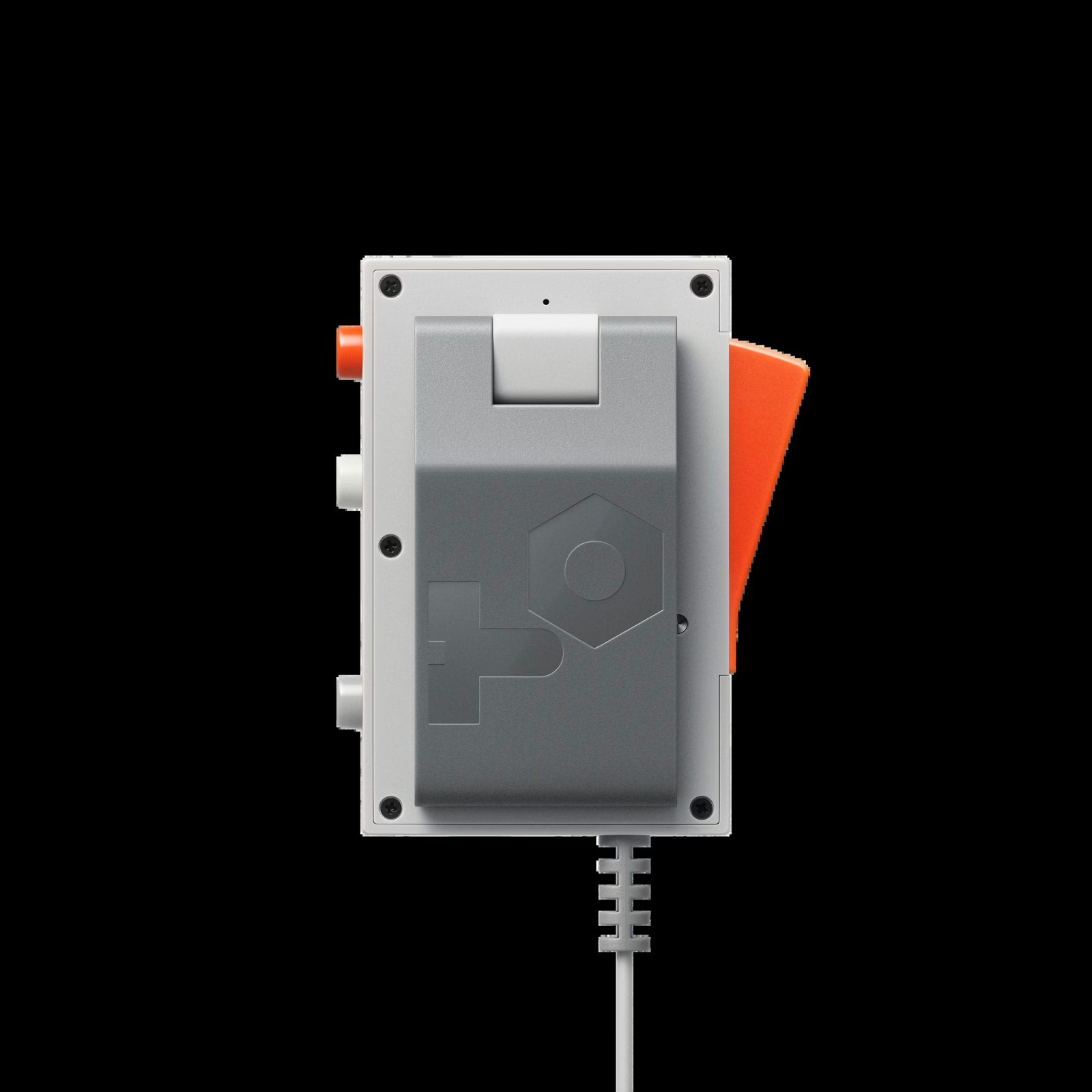
Teenage Engineering has a gift for making objects that are desirable, affordable and genuinely fun all at once. The EP-2350 FX-MIC is a fine example: a handheld performance microphone with built-in effects, four triggerable samples and a modulation lever, priced at 59 euros. It widens the EP ecosystem around the K.O. II sampler while working perfectly well on its own.
A mic that mangles the voice in real time
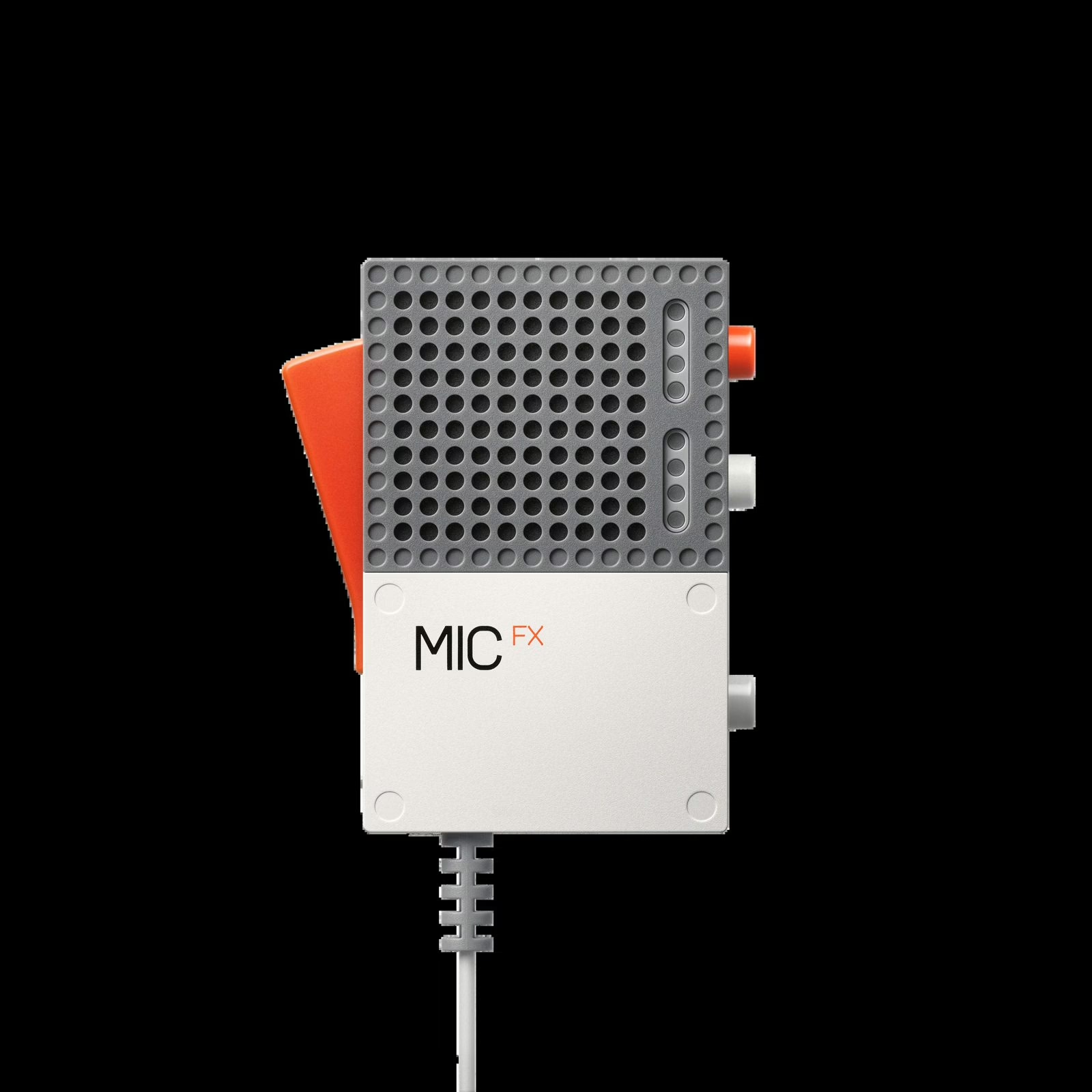
The FX-MIC isn’t a conventional recording mic, and it makes no secret of it: it’s lo-fi by design. Its purpose is to transform the voice on the fly through four built-in effects, adjustable live with the modulation lever. There’s an echo, an echo paired with spring reverb, a pixie-style high effect and a robot effect. Enough to swing from a tidy vocal take to something distinctly off-kilter with a flick of the thumb.
Where it gets clever is the sampling side. The mic carries one megabyte of storage, which Teenage Engineering frames as more than any other microphone, and four replaceable sample slots triggered from a dedicated button. You import your own sounds over USB-C and build your personal effect presets through a simple JSON file.
Standalone, but built for the EP ecosystem
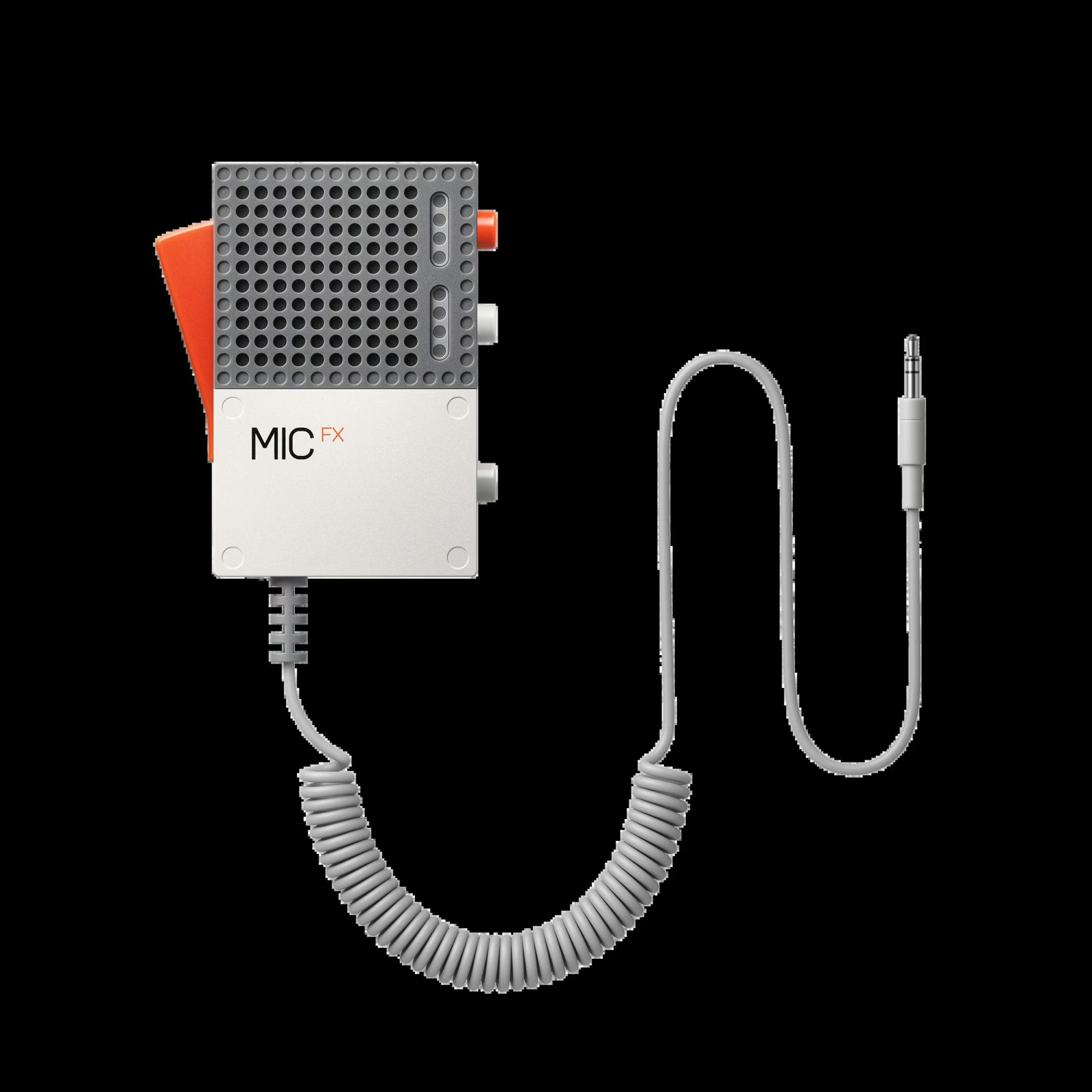
The FX-MIC has a line output on a 3.5 mm coiled cable: you plug it straight into a console, an interface, another sampler or a PA. It talks naturally to the EP-series samplers, including the K.O. II, the EP-40 and the EP-1320, but you don’t need to own any of them to use it.
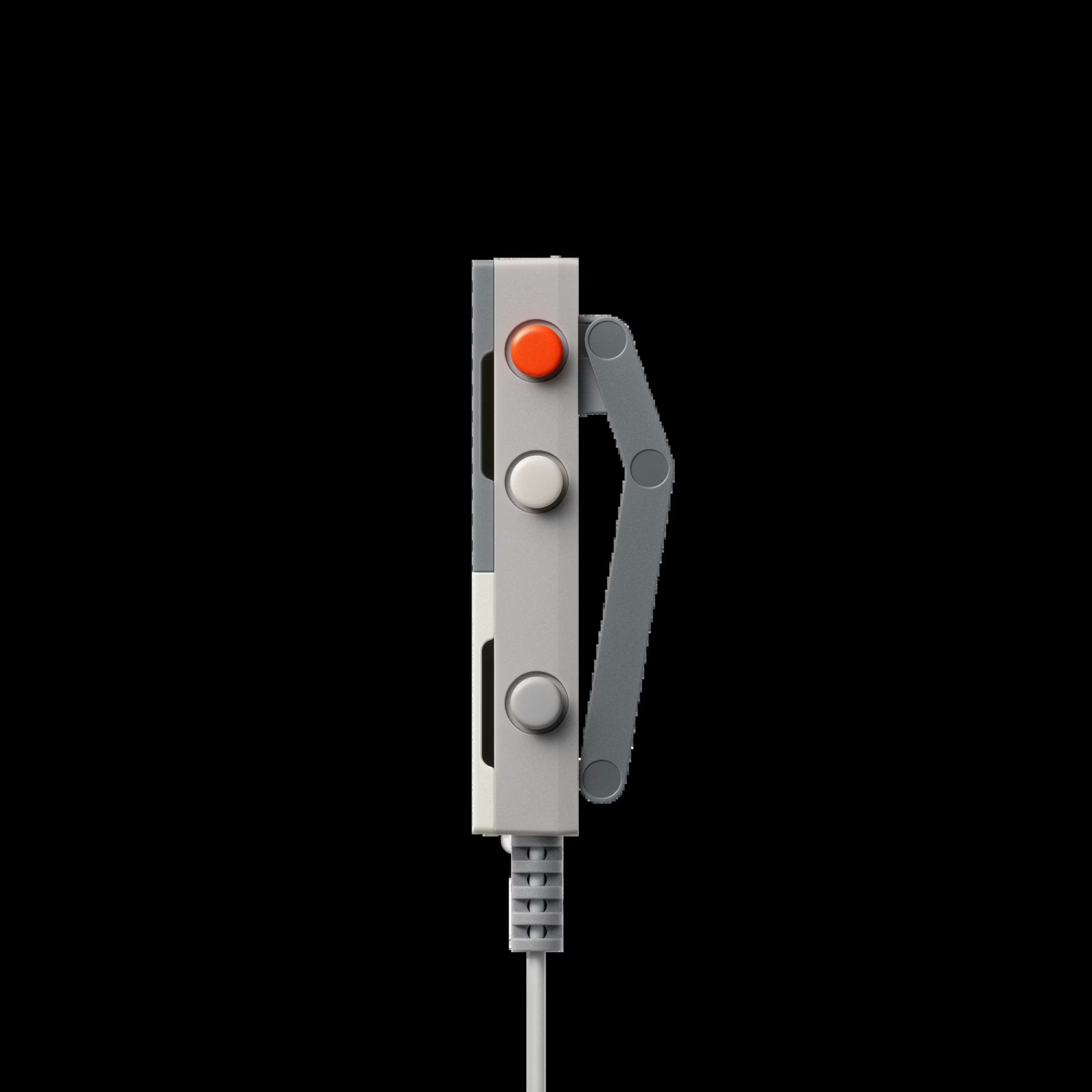
For power, it stays true to the brand’s mobile logic: two AAA batteries or USB-C bus power. Pressing the handle switches it on, and it lights up to show it’s ready.
The essentials
| Spec | Detail |
|---|---|
| Type | Handheld performance mic, built-in effects and samples |
| Effects | Echo, echo + spring reverb, pixie, robot, lever-adjustable |
| Samples | 4 replaceable slots, 1 MB storage, USB-C import, JSON presets |
| Output | Line, 3.5 mm coiled cable |
| Power | 2 AAA batteries or USB-C bus |
| Price | 59 euros, available |
At that price, it makes no claim to hi-fi and owns it fully. It’s aimed at singers, DJs and performers who want to add effects and samples in the palm of their hand, without a computer or a complex effects chain.
My take
I’m not dogmatic about gear: what matters is design quality and the result, not the price tag. Teenage Engineering clearly gets that with this FX-MIC. The gesture is immediate, the modulation lever invites you to play, and the JSON-driven sample storage will speak to tinkerers. At 59 euros, it isn’t an investment, it’s an invitation to have fun, and there’s real design intelligence behind the toy-like exterior. It’s exactly the kind of well-thought-out little object that earns a place on stage or in a home studio without taking itself too seriously.
Full details are on the Teenage Engineering site. In the same ecosystem, revisit our piece on the Teenage Engineering EP-40 Riddim groovebox and our look at the EP-133 K.O. II firmware update.
Frequently asked questions
Which effects does the EP-2350 include?
Four voice effects: an echo, an echo paired with spring reverb, a pixie-style high effect and a robot effect. Their parameters are adjusted live with the modulation lever on the mic’s body.
Can you load your own samples?
Yes. The mic has four replaceable slots and one megabyte of storage. You import your sounds over USB-C and define your personal effect presets through a simple JSON file.
How does it connect to the rest of a rig?
Through a line output on a 3.5 mm coiled cable. It plugs into a console, an interface, a PA or an EP-series sampler such as the K.O. II, the EP-40 or the EP-1320, none of which is required.
How is it powered?
Either by two AAA batteries or over the USB-C bus. Pressing the handle turns it on, and the unit lights up to confirm it’s powered.
Is it a hi-fi microphone?
No, it’s lo-fi by design. It’s a creative performance tool, not a recording mic meant for faithful captures or precision studio work.