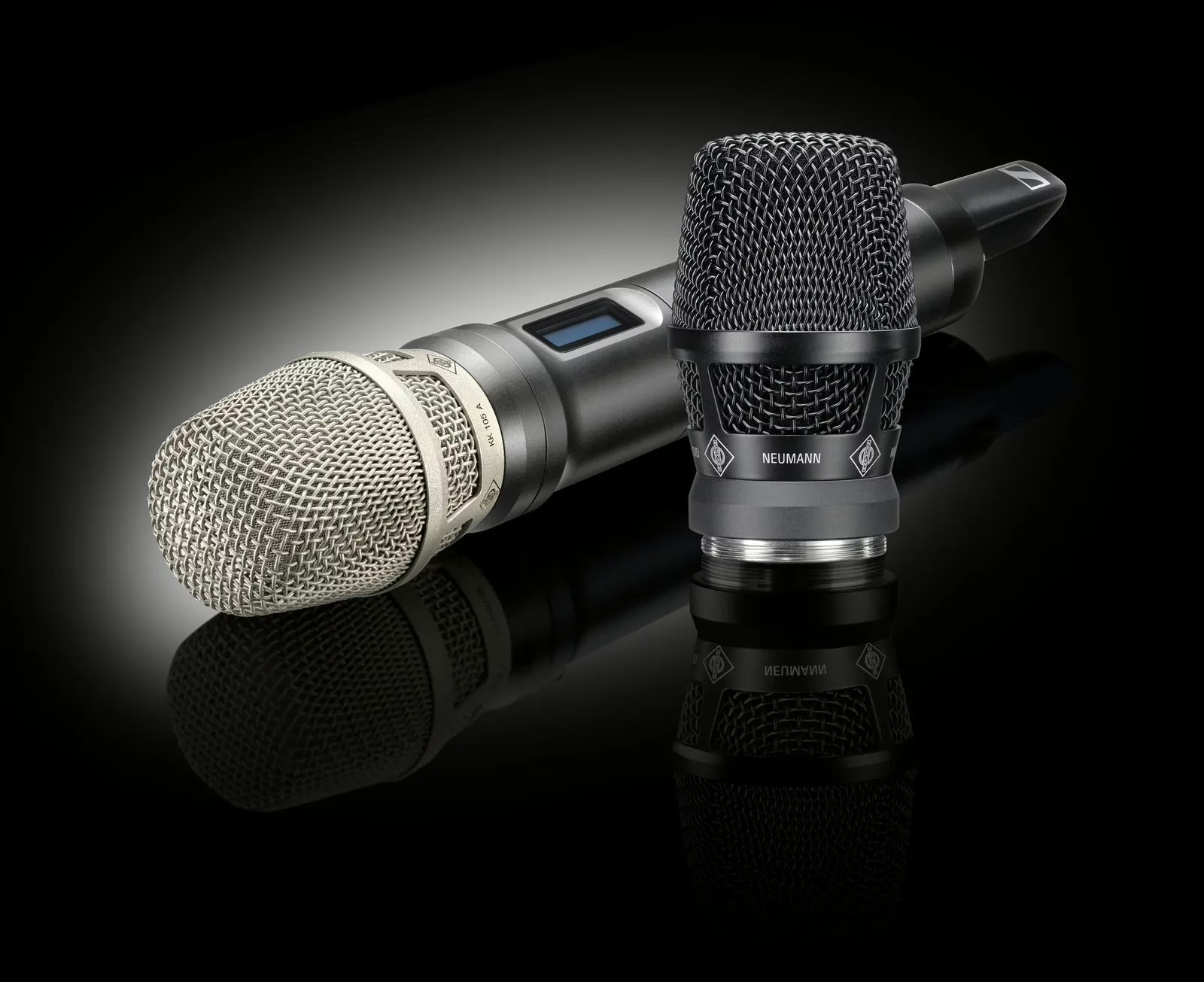
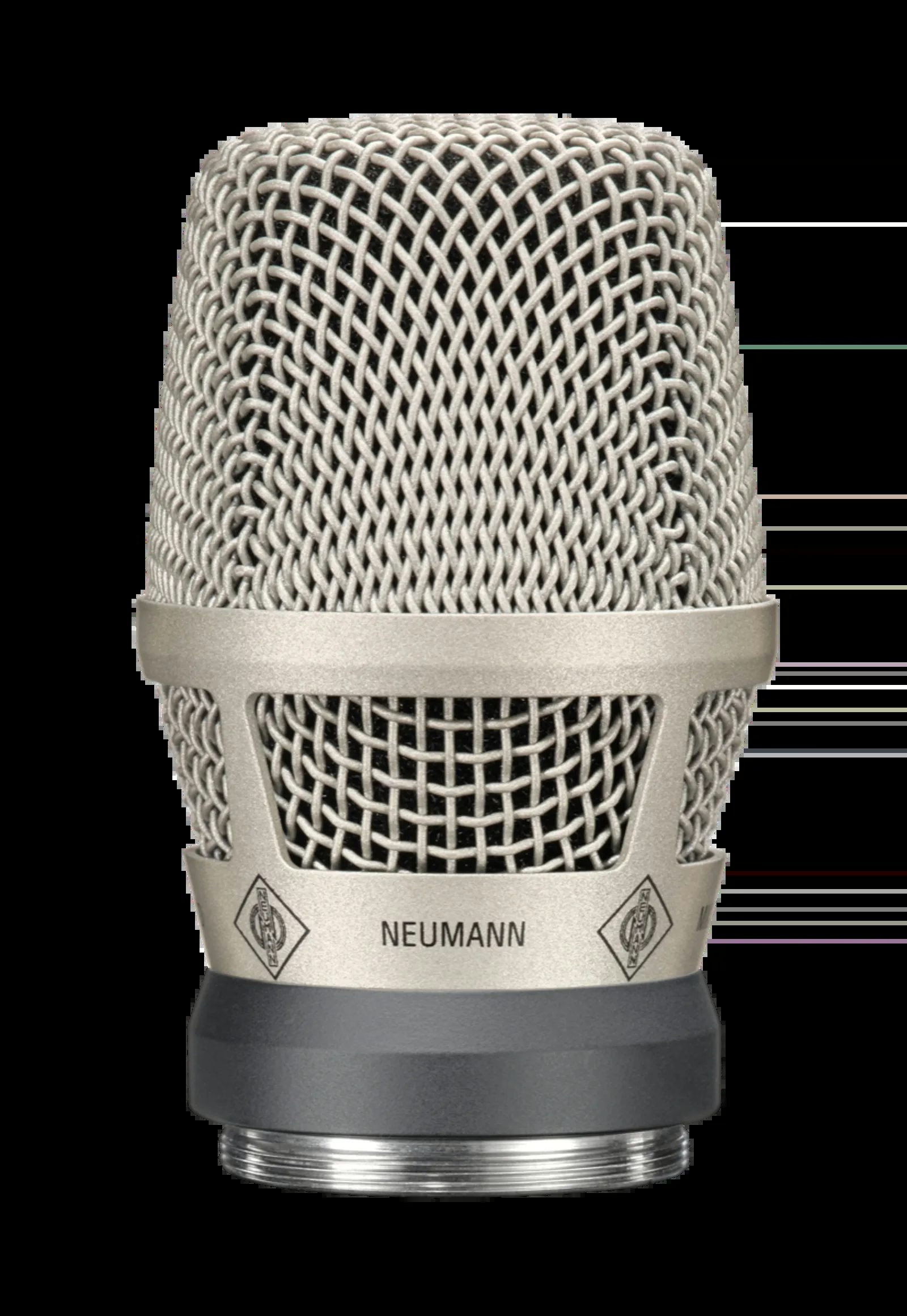
Unveiled at IBC 2026, the Neumann KK 104 A and KK 105 A are two capsule heads that screw onto Sennheiser handheld wireless transmitters. They replace the KK 204 and KK 205, and bring the sound of Neumann’s wired KMS stage mics into a wireless format. For a singer used to the Neumann character, the promise is the same voice — minus the cable.
The KMS sound, gone wireless
The real technical story is where the capsule comes from. Neumann leans on the technology of its wired KMS mics, condenser stage microphones known for their transparency. The claimed result: a smoother frequency response, faster transients and a more open top end than the KK 204/205. On a voice, that means air and presence without harshness — something older-generation wireless capsules often lack.
Cardioid or supercardioid: two characters
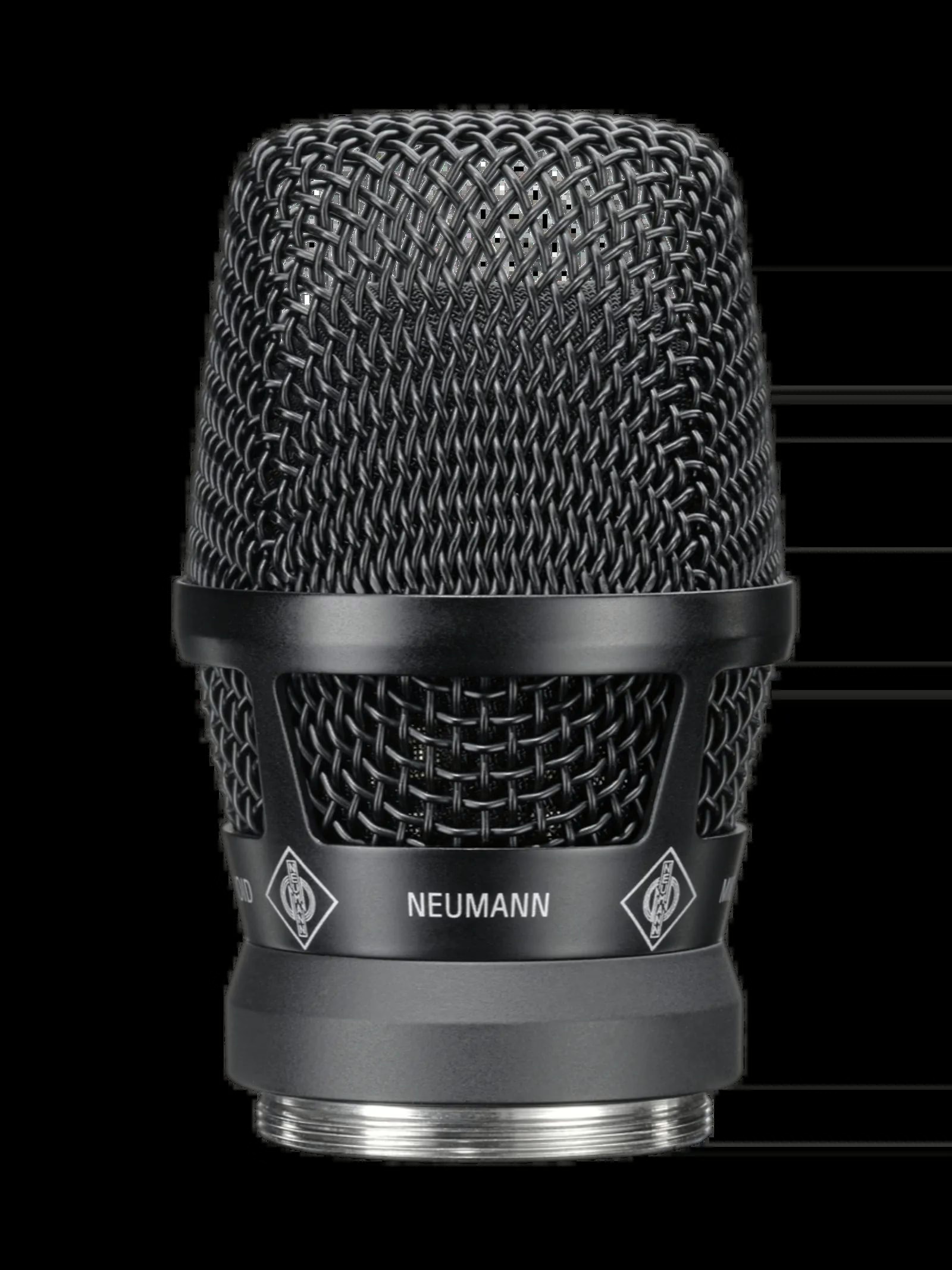
The KK 104 A is cardioid. It offers a slightly more open sound and is more forgiving of placement and head movement — handy for singers who move a lot or hold the mic inconsistently. The KK 105 A is supercardioid: it isolates the source better, rejects neighbouring instruments more and delivers a very direct, intimate voice even on a crowded stage. The choice comes down to the show and the singer’s technique.
KK 104 A or KK 105 A?
| Model | Pattern | Strengths |
|---|---|---|
| KK 104 A | Cardioid | More open sound, forgiving of placement and movement |
| KK 105 A | Supercardioid | Better separation, direct voice on a busy stage |
The virtues of a stage mic
Beyond tone, Neumann highlights the qualities you expect from a touring mic: excellent pop protection, high SPL handling, handling-noise suppression and good feedback resistance. The housing has also been reworked, with better rejection of handling noise and an improved form factor over the previous generation.
Compatibility
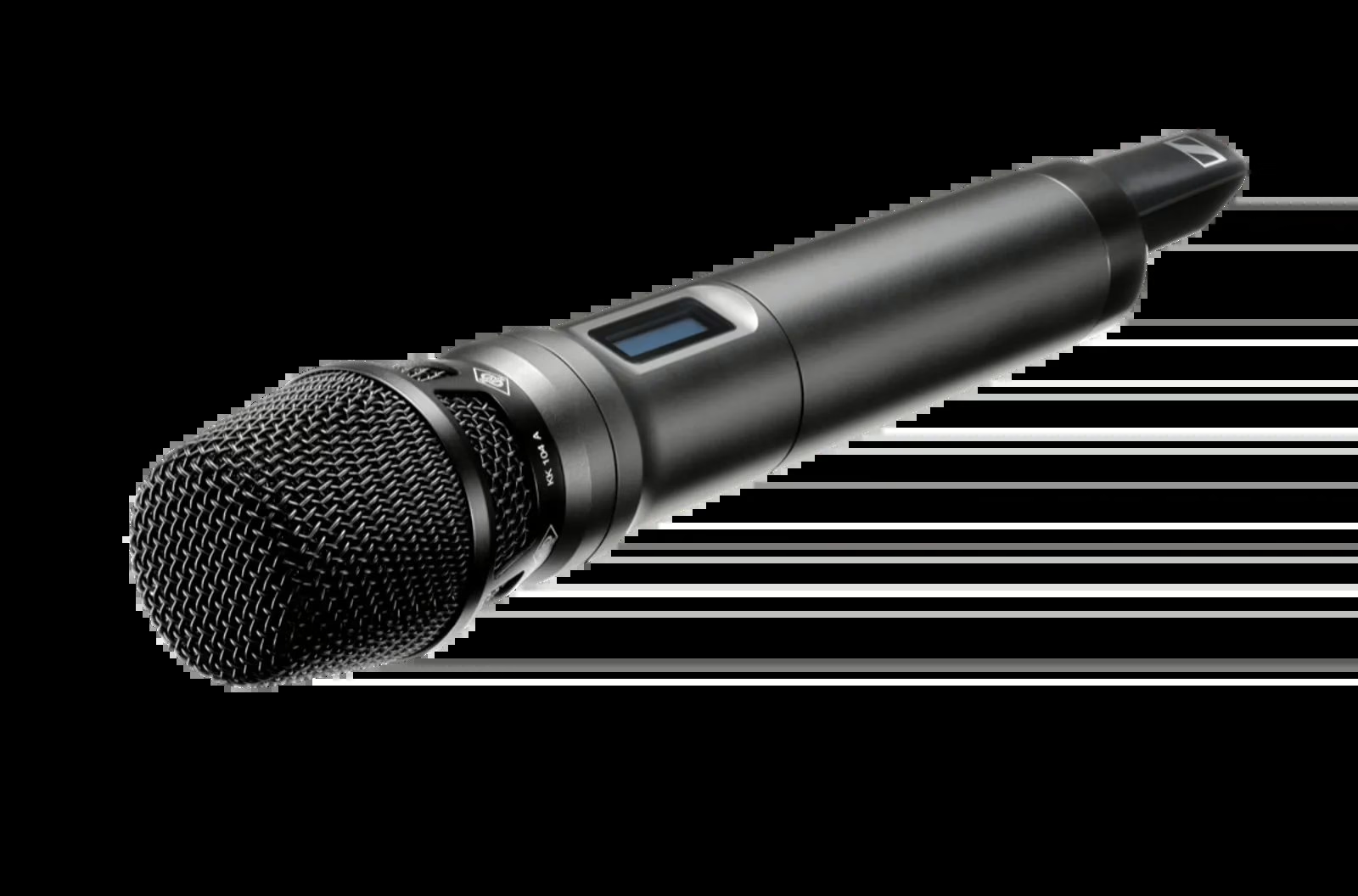
Both capsules fit Sennheiser Spectera, EW-D, EW-DX and Digital 6000/9000 handheld transmitters. In other words, you upgrade the voice of a system you already own without leaving your wireless ecosystem — from affordable digital up to broadcast flagship. They come in black and nickel finishes.
My take
Slipping the KMS sound into a wireless head is the kind of quiet upgrade that makes a real difference in use. Wireless capsules have long been the weak link that gave away an otherwise fine system; bringing back openness in the highs and taming the transients is exactly what you want. Covering everything from an affordable EW-D to a Digital 9000 widens the appeal considerably. Then it is down to pattern: cardioid for freedom of movement, supercardioid when it gets loud around you.
Related reading: Sennheiser Spectera SKM and our Telefunken M81-SH piece. Product pages: KK 104 A and KK 105 A.
Frequently asked questions
Which transmitters do the KK 104 A and KK 105 A fit?
Sennheiser Spectera, EW-D, EW-DX and Digital 6000/9000 handheld transmitters. You keep your wireless system and only swap the capsule head.
How do they sound compared with the KK 204 and KK 205 they replace?
The new capsules use the technology of the wired KMS mics: a smoother response, faster transients and a more open top end, with better handling-noise rejection.
Cardioid or supercardioid — which should I pick?
The cardioid KK 104 A is more forgiving of placement and sounds a touch more open. The supercardioid KK 105 A isolates the voice better and rejects nearby sources more on a busy stage.
What finishes are available?
Both heads come in black and nickel, to match the handheld transmitters in the relevant ranges.