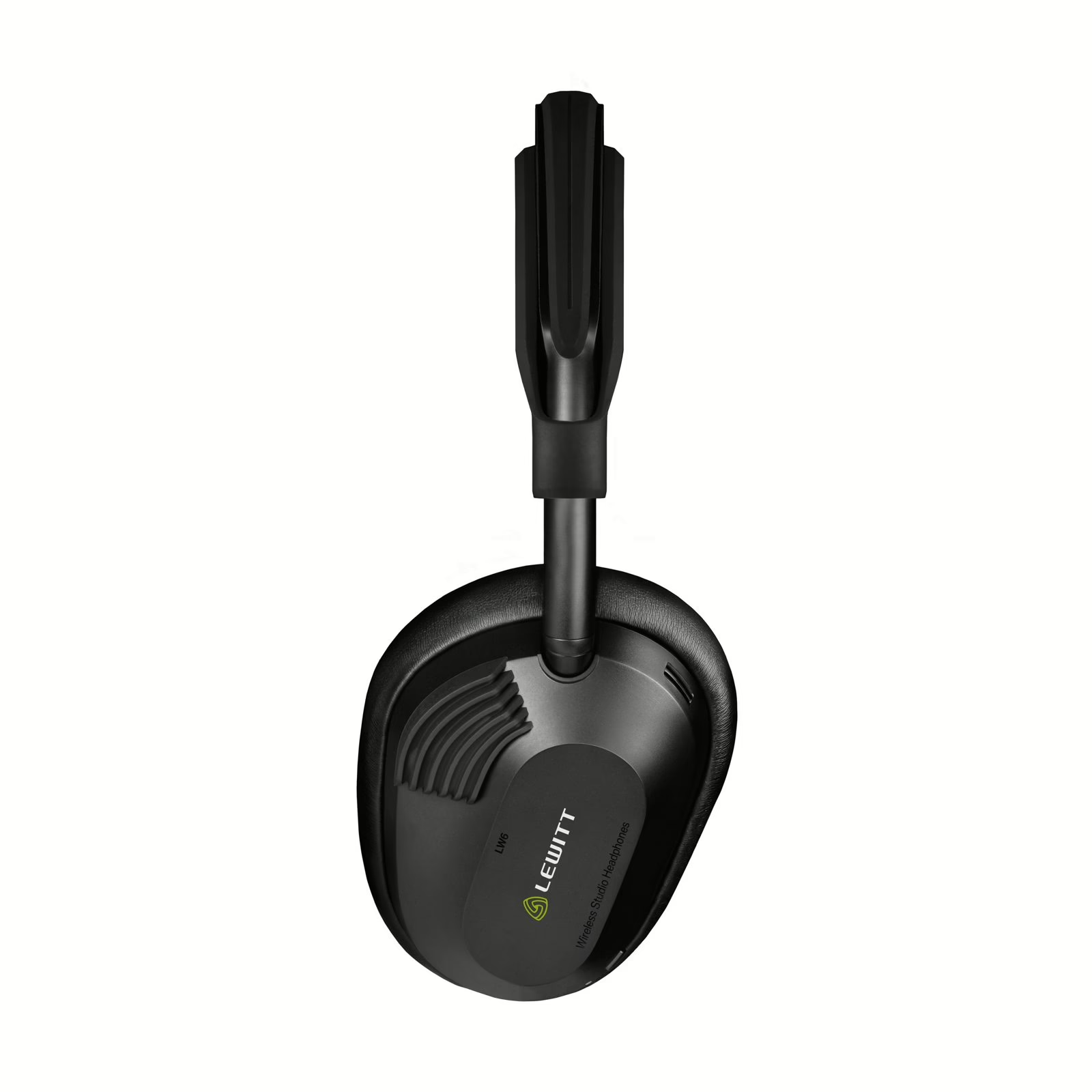
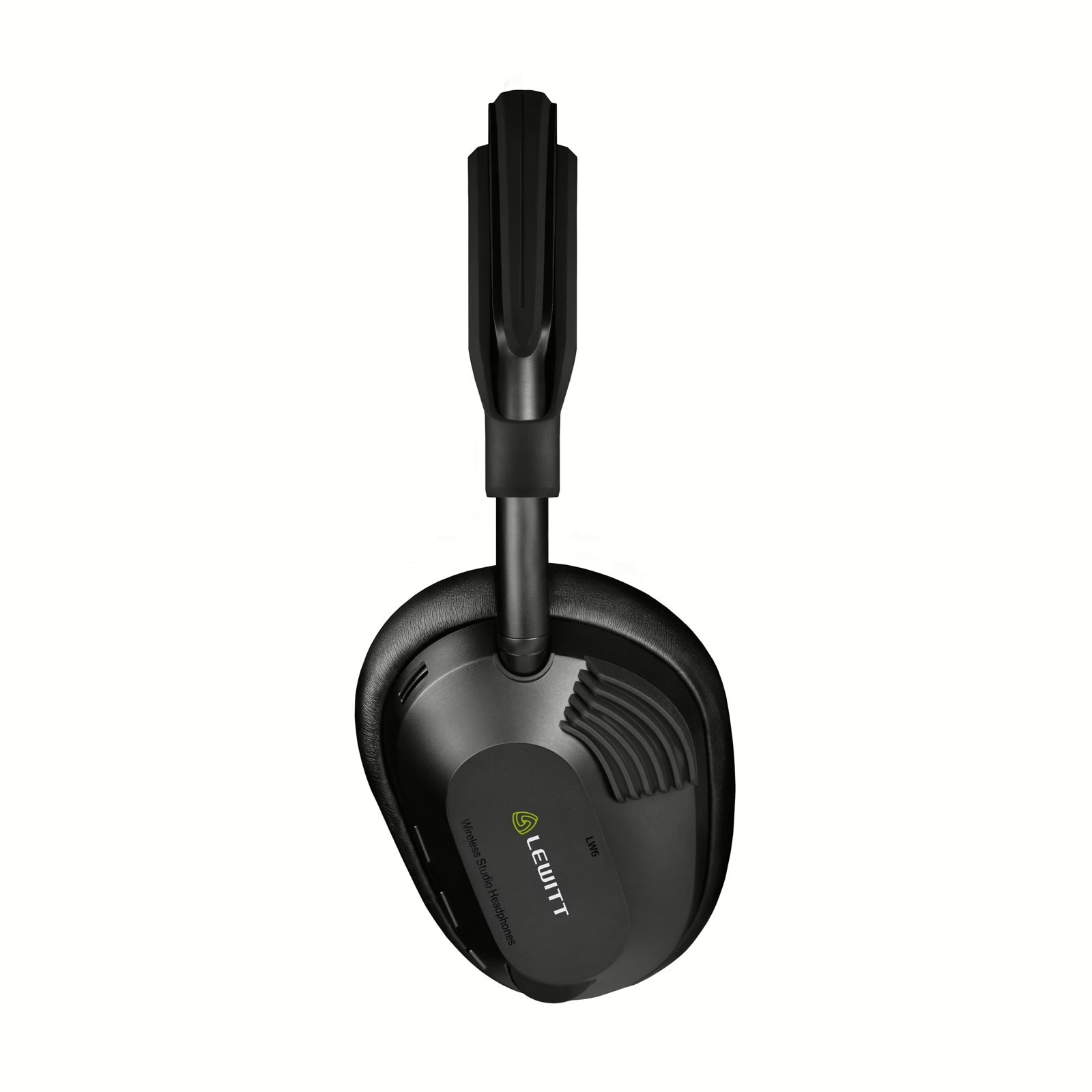
Best known for its microphones, Austrian brand LEWITT is entering the headphone market for the first time—and doing it in style, with a wireless model built for serious work. The LW6 is not a consumer product: it targets recording, monitoring, mixing and mastering, and promises to cut the cable without the usual compromises.
Wireless, but uncompressed
At the heart of the LW6 is LEWITT’s own RealSound technology, based on ultra-wideband (UWB) and backed by a chip from specialist SPARK Microsystems. It carries an uncompressed audio stream with latency rated below 6ms—5.8ms, to be exact. That figure is the whole point: at this level, you can monitor a take without the dealbreaker delay of Bluetooth. To understand why the number matters, our article on audio latency breaks down the thresholds that actually bother a player.

A reference headphone, not a gadget
Acoustically, the LW6 uses a closed-back reference design, with thick memory-foam cups that cut leakage and provide passive isolation. It carries its own DSP: a five-band parametric EQ and monitoring functions, storable directly on the unit. LEWITT also bundles an Essential licence for its Space Replicator plugin, to bring headphone listening closer to a real room.
A flexible transmitter and solid battery life
The LW6 ships with a small transmitter that accepts an analogue signal from a headphone output or connects straight to a computer over USB-C. Range is around five metres—this is a studio tool, not a stage system. The headphones also have Bluetooth for casual listening, and offer up to 21 hours of battery life. Good gain staging upstream still matters just as much on a wireless chain.
| Spec | LEWITT LW6 |
|---|---|
| Transmission | RealSound UWB, uncompressed audio |
| Latency | 5.8ms (end to end) |
| Design | Closed-back, reference |
| DSP | 5-band parametric EQ, presets |
| Battery | Up to 21h |
| Range | ≈ 5m |
| Price | $699 / €599 / £520 |
All of this lands at $699 (€599), pricing it alongside good high-end wired closed-backs—with uncompressed wireless on top. Full details are on LEWITT’s site.
My take
Wireless in the studio is something we half-wanted and half-doubted, because latency killed the idea for so long. At 5.8ms and uncompressed, the LW6 finally makes the promise credible for tracking and mixing, not just listening. The onboard DSP and the Space Replicator licence show LEWITT thought about use, not just spec sheets. The real question, the one no table settles, is whether the sound holds up against the market’s wired references. If it does, LEWITT has pulled off a debut headphone that almost makes you forget it is one—cable included.