Some places invented the sound of radio and television by hand, reel after reel. The BBC Radiophonic Workshop is one of them. Housed in the Maida Vale Studios, this BBC workshop built the themes, effects and electronic atmospheres of British programmes for forty years, breaking ground in techniques nobody was teaching yet.
A workshop born in 1958
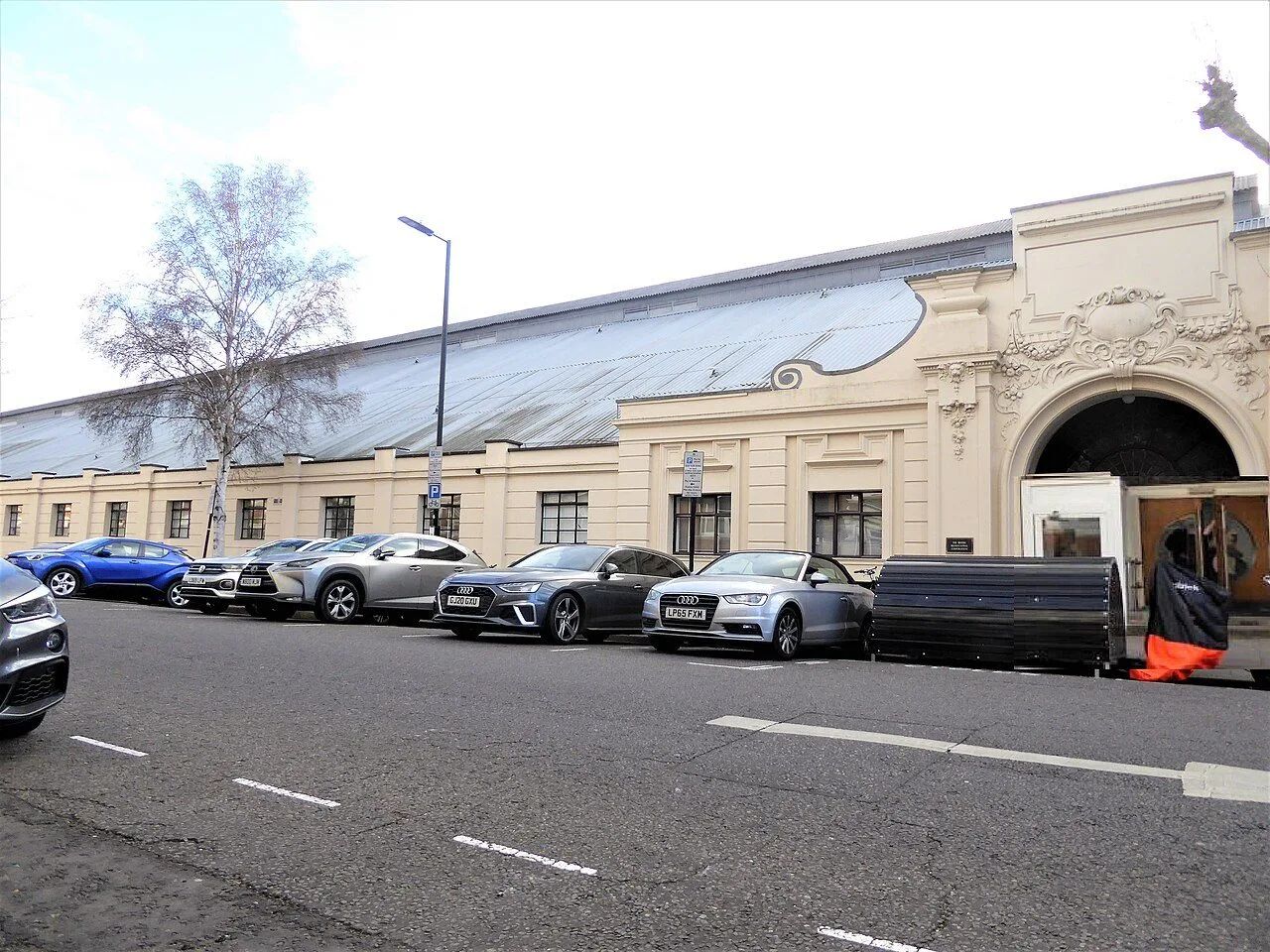
The Radiophonic Workshop was created in 1958 to produce incidental sounds and new music, first for radio and later for television. It grew out of the drive of Daphne Oram and Desmond Briscoe, on a modest budget and with equipment salvaged from BBC stores. The workshop settled in the Maida Vale Studios, on Delaware Road in west London, a complex of seven studios the BBC had long used for music and drama.
In its early days the workshop had no synthesizers. Sounds were built on tape: test oscillators, noise generators, tape loops cut and spliced by hand, speed changes to shift pitch. The method owed everything to musique concrète, patient and hand-crafted, where one second of a theme could take hours of editing.
The Doctor Who theme, one tape note at a time
The most famous piece to come out of the workshop remains the Doctor Who theme, realised in 1963. The composer Ron Grainer wrote the melody, but it was Delia Derbyshire who gave it its grain and its shape. With no synthesizer, she recorded each note separately from test oscillators and sound sources, set the pitch by changing the tape speed, then cut and assembled the fragments with scissors and splicing tape. The sliding whistle, the pulsing bass, all of it was built piece by piece.
BBC policy at the time required workshop members to stay anonymous. Grainer, impressed by Derbyshire’s work, tried to secure her a co-writing credit, without success. Her arrangement nonetheless served as the series theme for seventeen seasons, from 1963 to 1980, before being replaced by a new version by Peter Howell.
The machines arrive
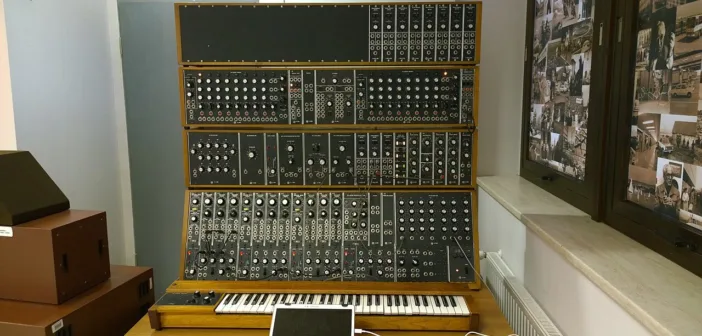
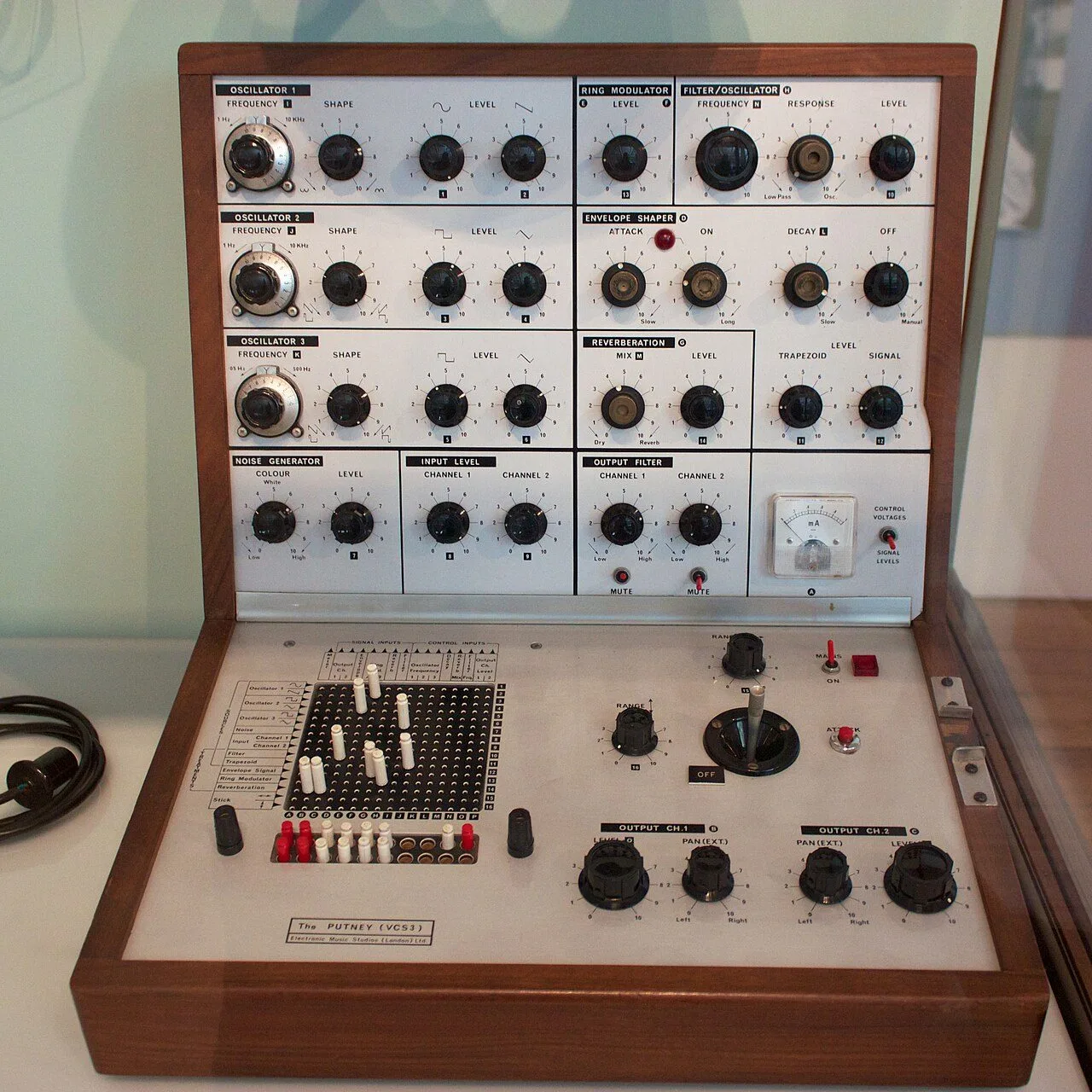
Synthesizers joined the workshop in the 1970s. The small EMS VCS3, with its pin-matrix patchbay, then the imposing Synthi 100, nicknamed “The Delaware” after the studios’ street, rounded out the arsenal of tapes and oscillators. The workshop moved gradually from hand-made synthesis to sound shaped by these new machines, without ever fully giving up tape editing.
This television adventure had its record-industry counterpart at the same moment across the Atlantic, with Wendy Carlos’s Switched-On Bach: everywhere, engineers and composers were taming electronics, one note at a time.
The end of the workshop, the survival of the walls
The Radiophonic Workshop closed in March 1998, much of its traditional work having already been outsourced by the mid-1990s. The Maida Vale Studios, for their part, carried on. The BBC announced in 2018 that it intended to leave, the building was listed Grade II in 2020, and the complex was sold in 2023 to a group pairing producers Tim Bevan and Eric Fellner with composer Hans Zimmer and Steven Kofsky. The walls that saw British radio’s sound take shape should therefore keep recording, under a different banner.
The legacy remains: a generation of viewers grew up with sounds from this workshop, and part of the vocabulary of on-air sound and radio production owes its first experiments to it. From the Optimod to today’s stations, radio has never stopped working on its grain. Maida Vale was one of its earliest laboratories.