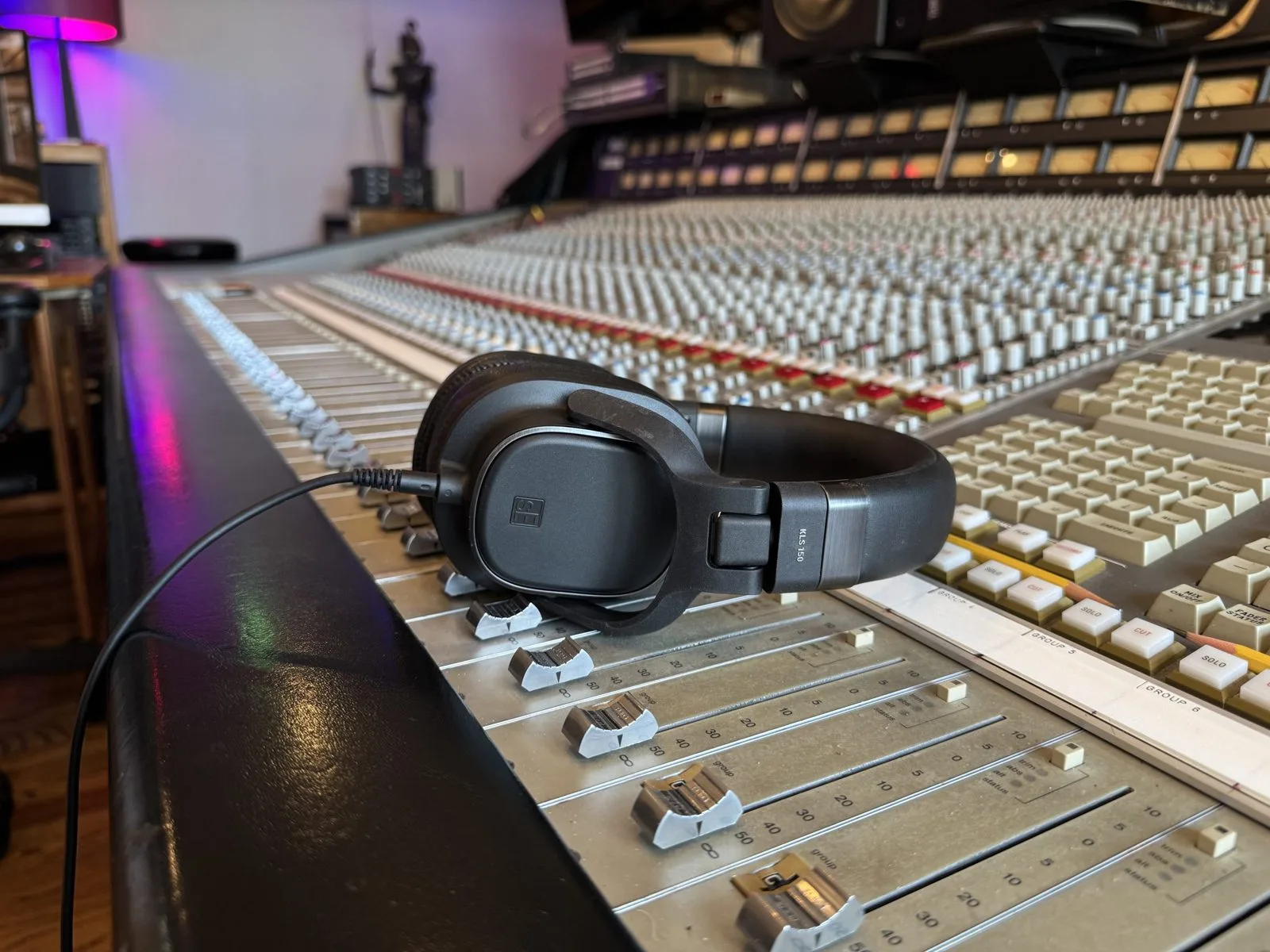
A respected microphone maker, sE Electronics ventures into headphones for the first time. The KLS 150 is a closed-back studio headphone, built for recording, mixing and stage use, with an idea that sets it apart immediately: a fully acoustic bass adjustment.
Adjustable bass, without electronics
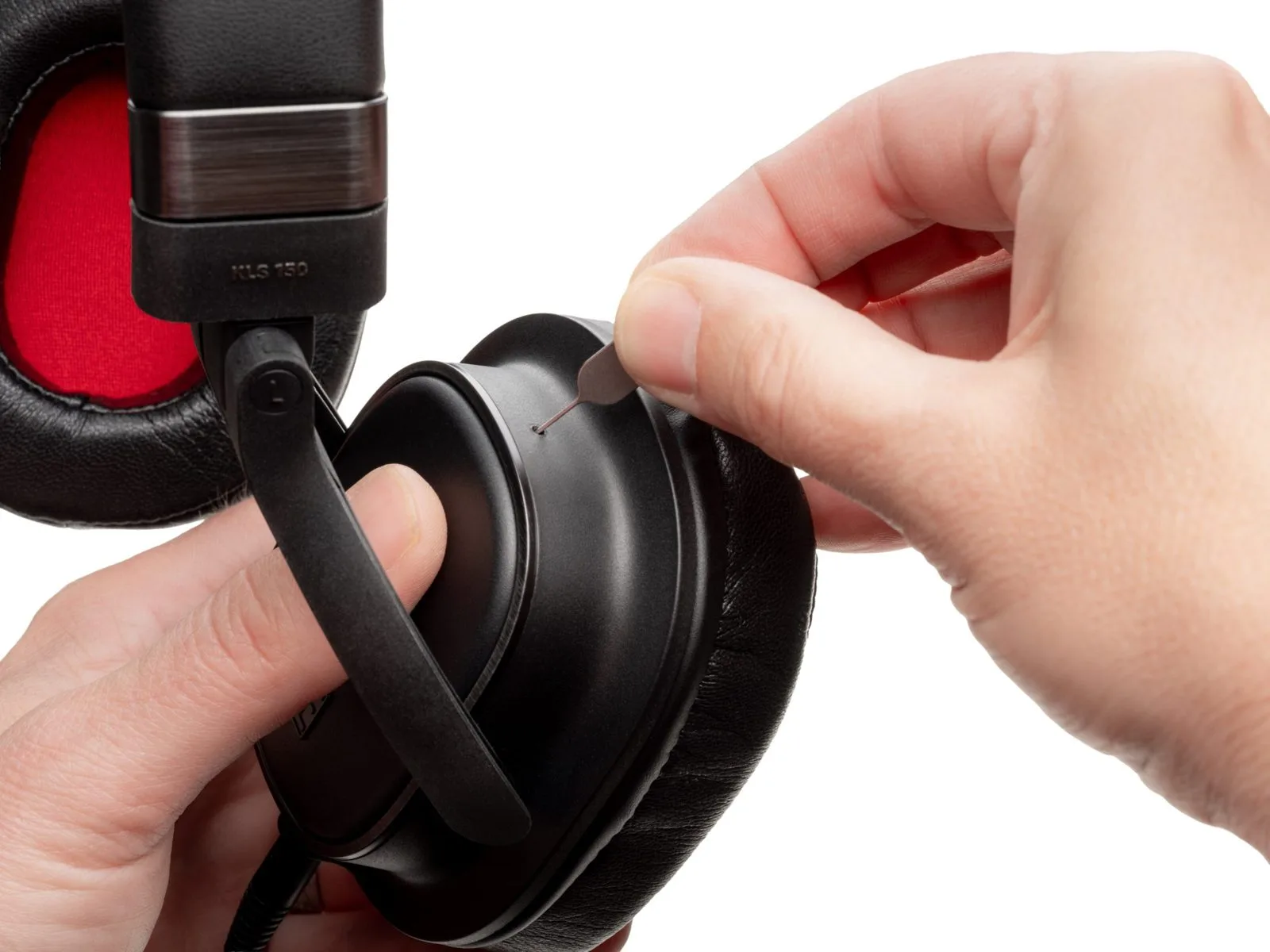
Most headphones lock you into a fixed bass signature, and those that offer adjustment usually do it with electronic filtering that colours or shifts the phase of the signal. sE takes the opposite route with a mechanical solution: controls, tucked under the replaceable earcup covers, adjust the bass from -5 to +5 dB acoustically, with no signal loss or phase shift. You match the headphone’s response to the context, a neutral low end to judge a mix, a bit more body for a tracking session, without betraying the rest of the spectrum.
It’s an elegant approach: no battery, no DSP, nothing to power. The adjustment stays in the acoustic domain, where a working headphone should stay as honest as possible.
Built to plug in anywhere
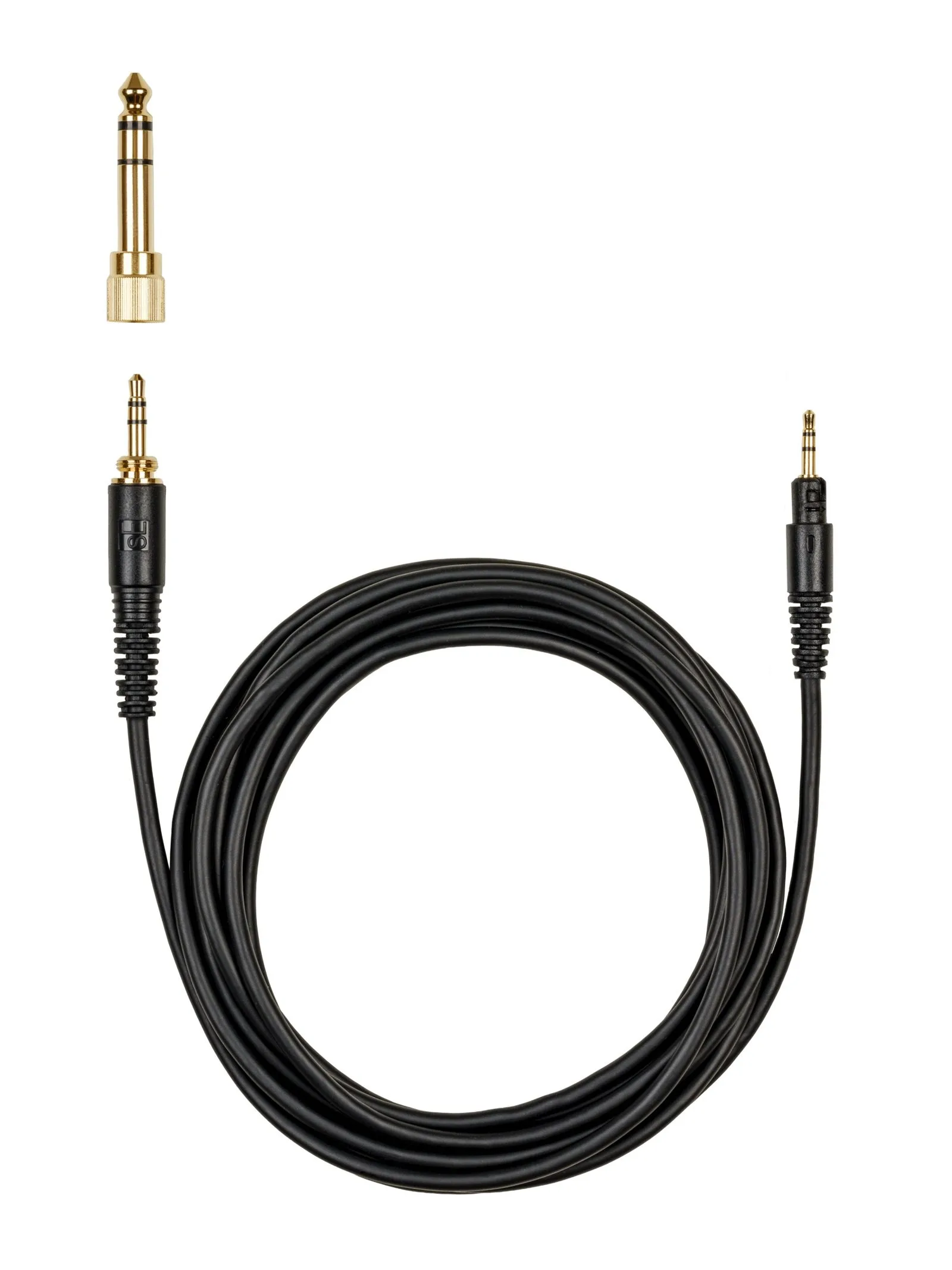
The KLS 150 carries a 40 mm neodymium driver and a 39-ohm impedance. That last figure matters: a moderate impedance lets you drive it straight from a laptop, a phone or an interface, with no dedicated headphone amp. At 335 grams, it stays reasonable for long sessions. The cable is detachable, with a screw-on 1/4-inch adapter, a small touch that smooths the move from home studio to control room.
The closed-back headphone remains the reference tool for tracking, where isolation keeps the monitor out of the mics. Choosing a monitoring headphone, as with the rest of studio monitoring gear, comes down to neutrality and comfort as much as the spec sheet.
Where it sits
Priced around $149, the KLS 150 targets the affordable-but-serious end of the studio headphone market. It’s an ambitious first product for a brand entering the category, and the acoustic bass adjustment gives it a real angle against established rivals, in a segment where monitoring choices keep multiplying.
My take
Adjusting the bass without electronics is an idea worth a look. Too many “adjustable” headphones hack the response with a filter that mangles the phase; an acoustic solution has the virtue of staying honest across the rest of the spectrum. The 39-ohm impedance is a smart call, because a working headphone should sound the same on a studio interface and on a laptop on the road. The open questions are the real-world neutrality and how the replaceable covers hold up over time. For a first headphone, the intent is clear and the positioning is spot on.
Frequently asked questions
How does the KLS 150’s bass adjustment work?
It’s acoustic, not electronic: controls under the replaceable earcup covers adjust the bass from -5 to +5 dB, with no signal loss or phase shift, unlike electronic filtering.
Do you need a headphone amp to use it?
Not necessarily. With a 39-ohm impedance, the KLS 150 can be driven straight from a laptop, a phone or an audio interface, with no dedicated headphone amp.
Is the cable detachable?
Yes. The KLS 150 uses a detachable cable supplied with a screw-on 1/4-inch adapter, handy for moving from a mobile device to a control room.
Is it an open or closed headphone?
It’s closed-back, which favours isolation and limits monitor spill into the mics, an advantage for tracking and stage use.