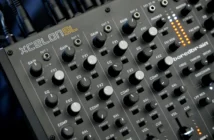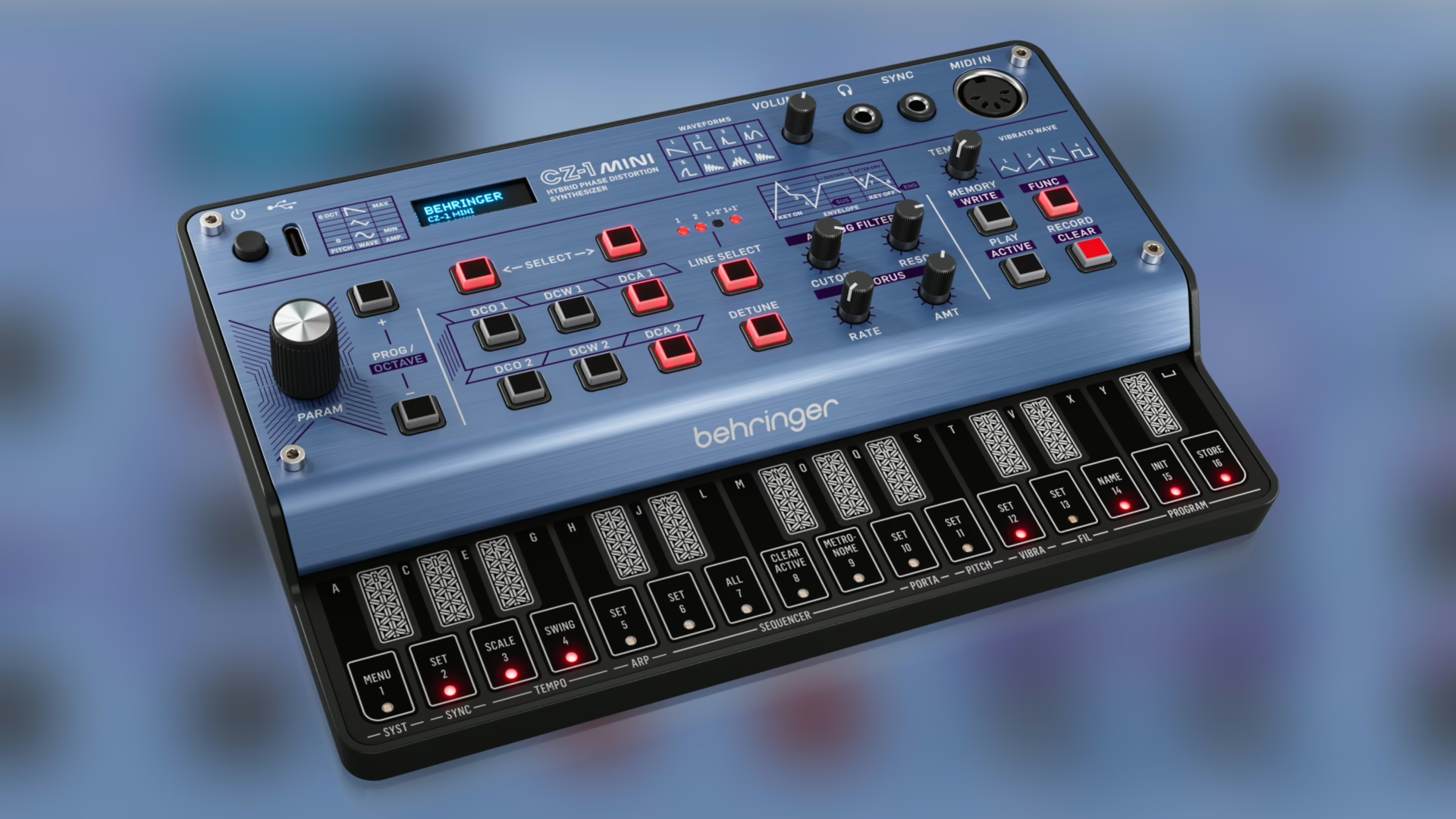
The Behringer CZ-1 Mini is finally arriving in shops, almost two years after it was announced. On the menu: the phase distortion synthesis of the 1980s Casio CZ range, squeezed into a pocket format, with analogue filter, sequencer and compatibility with the original sysex.
Who does the Behringer CZ-1 Mini really make sense for?
The CZ-1 Mini targets three clearly defined profiles:
- Fans of the Casio CZ range (CZ-101, CZ-1000, CZ-1…) who want to get back that very distinctive digital colour without carting around a fragile vintage keyboard.
- Electro, synthwave, chiptune or IDM producers looking for aggressive, metallic or scooped digital tones, very different from classic VAs or modern FM emulations.
- Mobile musicians who want a true programmable pocket synth alongside their grooveboxes, an OP-Z or a compact live mini-setup.
At this price point, the CZ-1 Mini is clearly positioned as an alternative to small machines like the Korg Volca FM/Keys or mini synths such as the Pro VS Mini: less versatile than some competitors, but with a focused sonic signature that makes sense if you are specifically after that Casio-style phase distortion.
What the CZ-1 Mini really brings to phase distortion
Historically, Casio introduced phase distortion in the mid-1980s to compete with Yamaha’s FM (DX7, DX100, etc.). It firmly embraces a digital aesthetic: snappy attacks, solid basses, incisive leads and evolving textures that break away from the usual “warm analogue” clichés.
The Behringer CZ-1 Mini picks up the essentials of this architecture:
- 3 voices of polyphony, playable in mono, poly or stacked modes to thicken the sound.
- 2 DCOs per voice, as on the Casio CZs, using 8 basic waveforms which, when combined, provide 33 different waveforms.
- Digitally controlled waves (one per DCO) that govern the depth of the phase distortion, the core of the CZ sound character.
- An 8-stage envelope generator that can be assigned to pitch, timbre and amplitude, as on the original models.
Where the CZ-1 Mini differs from the historical Casios is in a few targeted additions that make it more usable in a modern setup:
- An analogue filter, absent from the original CZs, to round off or sculpt the slightly harsh harmonics that are typical of phase distortion.
- Built-in chorus to thicken pads and strings, very useful given the limited polyphony.
- A vibrato wave acting as an LFO, for simple vibratos and modulations without drowning you in menus.
The result: it stays firmly in that 80s digital spirit, but with enough processing behind it to sit in a modern mix without always having to go through an external chain of effects and EQ.
A mini-synth designed for compact studios and mobile stages
Rather than seeing it as a gadget, the CZ-1 Mini makes more sense as a specialised sound module that is very easy to integrate:
The unit is roughly the size of a paperback book and can be played easily from a master keyboard or an external sequencer.
- USB-C power: convenient for plugging into a hub, laptop or stage power supply.
- 5-pin DIN MIDI input and MIDI over USB: direct integration into a DAW or hardware setup.
- Sync port for locking to other drum machines or mini sequencers.
The built-in small touch surface will not replace a real keyboard for expressive playing, but it is sufficient to audition a sound, write a line or sketch a pattern on the move.
Sequencer, arpeggiator and workflow: a credible standalone module
For musicians who like to work without a computer, the CZ-1 Mini has everything needed to build ideas quickly:
- A 16-step sequencer for creating rhythmic motifs, basslines or simple melodic patterns.
- A three-pattern arpeggiator that can turn a chord into an animated motif effortlessly.
- A vibrato wave section (LFO-style) to add movement without resorting to advanced modulation.
From a live perspective, it is easy to imagine the CZ-1 Mini as a dedicated source for digital basses or leads, sequenced from a groovebox or hardware sequencer, with the analogue filter acting as the main control to sculpt the sound in real time.
A real link to the Casio CZ range: sysex compatibility and architecture
One of the most interesting points for enthusiasts is the sysex compatibility with the original CZs. The CZ-1 Mini accepts sysex files from Casio CZ synths, which opens access to:
- Historic preset banks that have been circulating online for years.
- Custom patches archived on a computer or on older media.
- Continuity of workflow for those already familiar with CZ architecture.
Combined with its 8 waveforms and 33 combined shapes, the synth thus remains very close to the spirit of the originals, while benefiting from modern updates (analogue filter, chorus, USB, compact format).
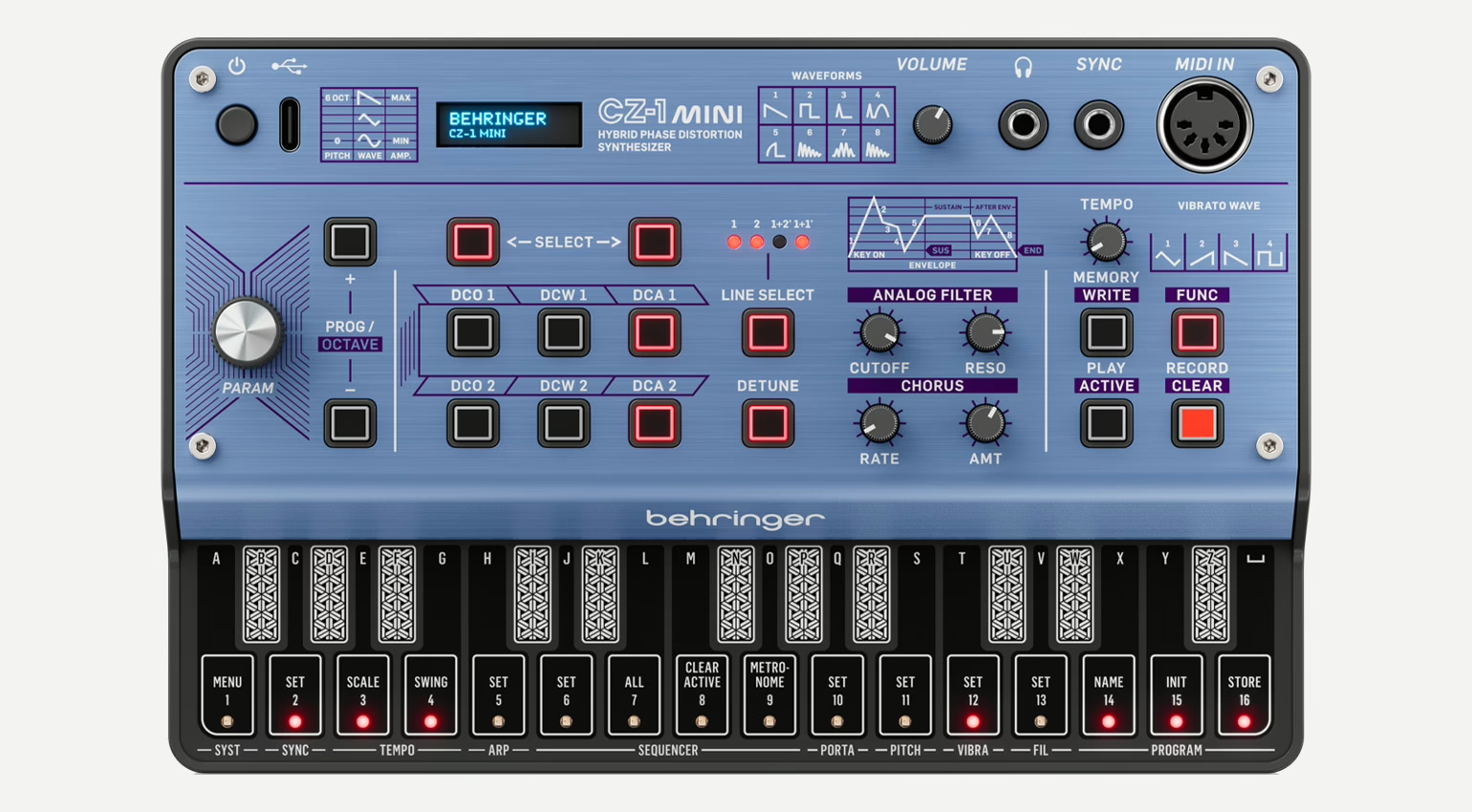
Interface, OLED screen and programming: strengths and limits
On such a small instrument, legibility is always the sensitive point. Behringer has fitted a tiny OLED screen, but it is sufficient to display the essential parameters.
Concretely:
- Experienced users in synthesis will find enough in the 8-stage envelope and phase distortion control to sculpt complex sounds, but the screen size will require some adaptation time.
- For fast live or studio use, the most efficient approach will be to prepare patches in advance and stick to real-time tweaks (filter, chorus, vibrato) rather than programming everything on the spot.
The CZ-1 Mini clearly positions itself more as a programmable module than as a “deep sound design synth” to be constantly tweaked. Its appeal lies in its tonal character and CZ compatibility more than in comfortable, in-depth editing.
Positioning compared to other mini-synths on the market
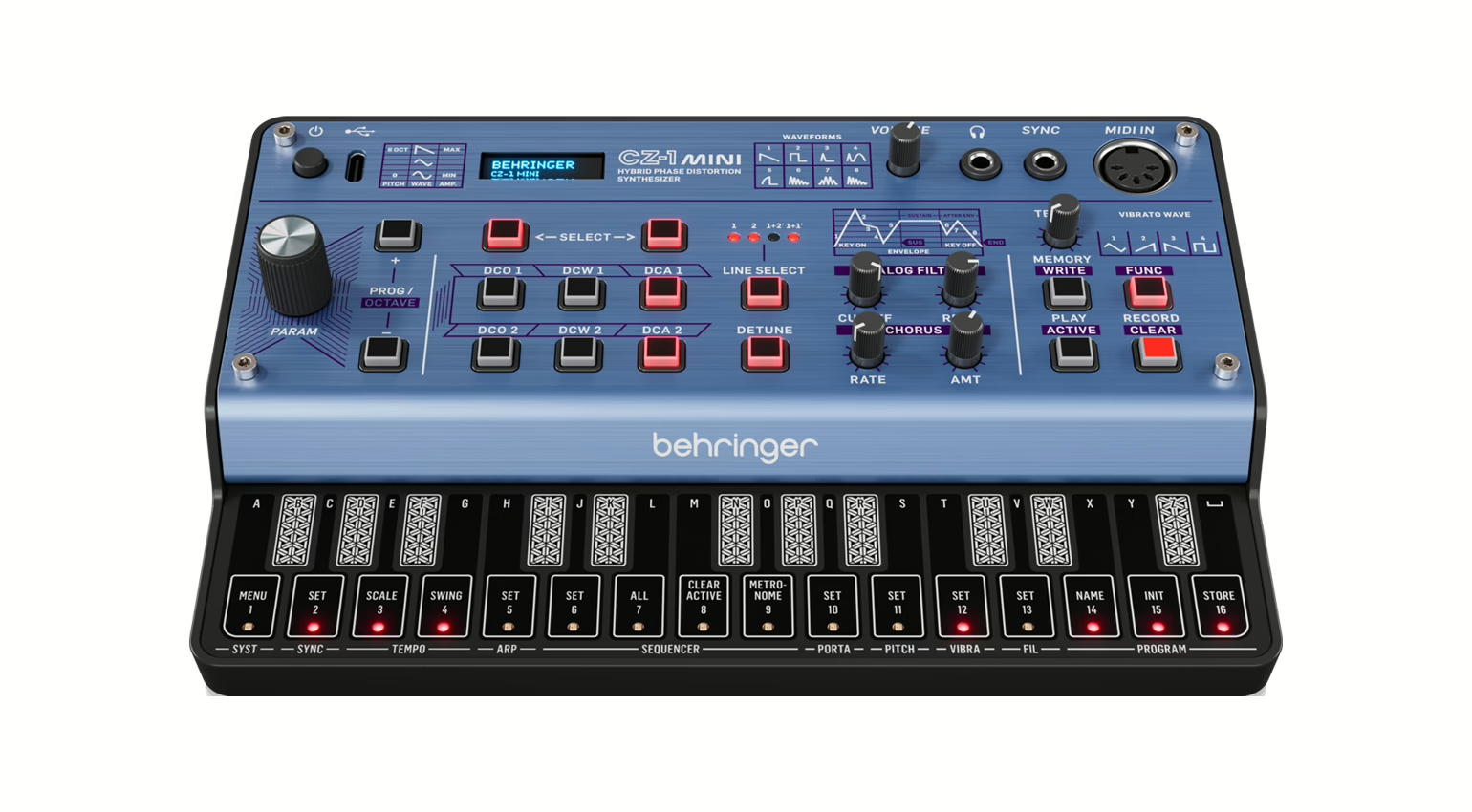
With a quoted price of $88.00 / £75.00 / €89.00, the Behringer CZ-1 Mini falls into the category of very affordable mini-synths. Its natural competitors are:
- Korg Volca units (FM, Keys, etc.), which are more geared towards immediate performance, sometimes with more physical controls, but without that direct link to the Casio CZ lineage.
- Recent small digital modules (like the Pro VS Mini or other mini tabletop units) that focus on more modern sound architectures, but do not offer this specific 80s phase distortion aesthetic.
The main selling point of the CZ-1 Mini is therefore not overall versatility, but rather faithfulness to a specific sound family (Casio CZ) at a very low price, with modern integration (USB, MIDI, analogue filter, chorus, sysex compatible).
Availability and key points summary
Announced almost two years ago and shown at NAMM 2026 after the first news on 30 January 2024, the Behringer CZ-1 Mini is now available in shops at an indicative price of $88.00 / £75.00 / €89.00.
To sum up, the CZ-1 Mini is relevant if you are looking for:
- The sound character of the Casio CZ range without investing in vintage gear.
- A specialised digital module that complements analogue or VA synths.
- An affordable mini-synth with sequencer, arpeggiator and historic sysex compatibility.
If you need lots of polyphony, a very comfortable interface or a do-it-all synth, you will have to look at more fully featured modules. But for what it promises – a pocketful of Casio-style phase distortion with a few modern luxuries – the CZ-1 Mini clearly delivers on its brief.
FAQ: choosing and getting the most from the Behringer CZ-1 Mini
Can the Behringer CZ-1 Mini replace a Casio CZ-101 or CZ-1 in a professional setup?
It can stand in for them in many situations, especially thanks to its sysex compatibility and very similar architecture. However, if your workflow relies on a full keyboard, extensive physical controls and the broader polyphony of a CZ-1, for example, the CZ-1 Mini remains a more limited pocket module. In terms of pure tonal character, it covers that territory very well.
Is the 3-voice polyphony a handicap in modern production?
For very wide pads or complex chords, yes, 3 voices are restrictive. On the other hand, for basslines, leads, sequences and arpeggios it is more than enough, especially if you stack several takes in the studio. Live, it will be more relevant as a dedicated source (bass, lead, motif) than as a pad machine.
Are the analogue filter and chorus really useful on a digital synth like this?
Yes, absolutely. Phase distortion produces harmonically rich and sometimes fairly harsh sounds. The analogue filter lets you soften, warm up or focus the spectrum, and the chorus adds width and movement. Without these two elements, the CZ-1 Mini would be far rougher and harder to drop straight into some styles.
Can you use it comfortably with just its touch interface and small screen?
For deep sound design, it will quickly feel limited and somewhat frustrating. However, for loading sounds, tweaking a few key parameters, programming a simple sequence and playing motifs, the interface is adequate. In a professional context, the most realistic use is to drive it from a master keyboard or external sequencer and treat the CZ-1 Mini as a specialised sound module rather than an all-in-one synth with a rich front panel.