For musicians and content creators in the UK who want to level up their recordings without blowing the budget, the new AKG C-Series microphones have arrived at just the right time. This range brings together three condenser models – a large-diaphragm cardioid, a multipattern version and a small-diaphragm mic – designed to cover most of the needs of a personal studio or creative space.
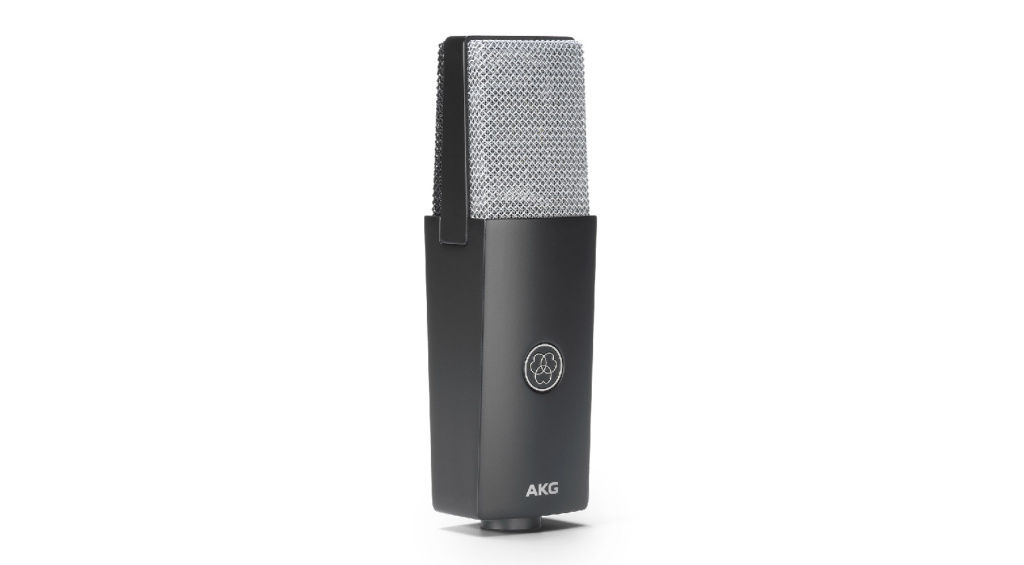
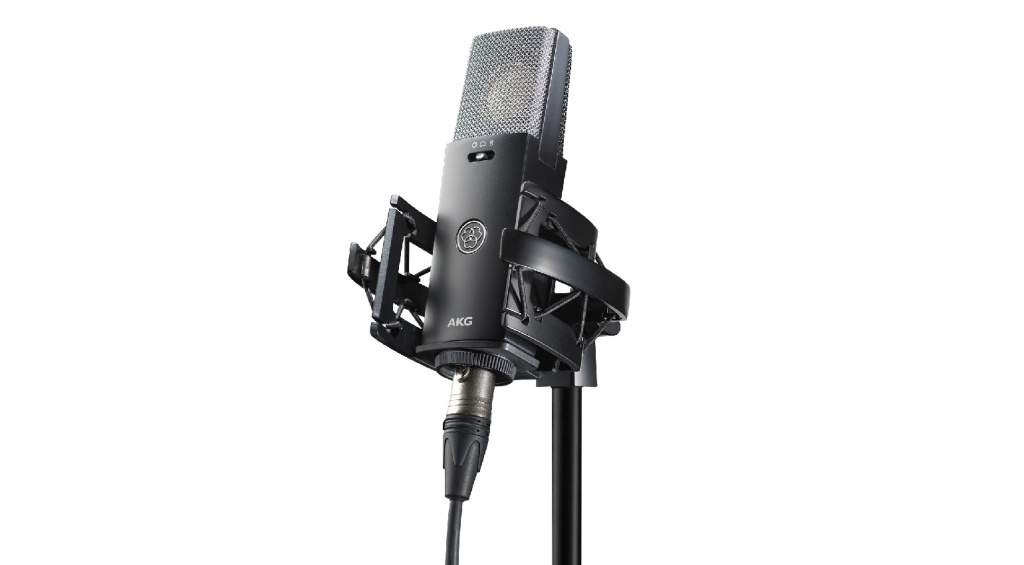
Visually, the C104 and C114 will immediately bring to mind the brand’s classic studio references such as the C414. AKG is clearly drawing on its studio heritage to offer a more accessible option that still puts sound quality first.
Overview of the AKG C-Series range
The series is made up of three condenser microphones:
- AKG C104: versatile large-diaphragm cardioid
- AKG C114: large-diaphragm multipattern (cardioid, omnidirectional, figure-of-eight)
- AKG C151: small-diaphragm cardioid for detailed capture
Each one targets very specific uses, ranging from vocals and podcasting through to stereo recordings of acoustic instruments. The idea is simple: to offer a coherent kit that can form the backbone of a home or project studio setup in the UK, with prices that remain under control.
AKG C104: large-diaphragm cardioid for vocals and instruments
The C104 is a cardioid microphone fitted with a 22 mm electret condenser capsule. This format puts it squarely in the camp of versatile large-diaphragm mics, ideal for a wide variety of sources.
In a home recording environment or small studio, the C104 can serve as the main mic for:
- spoken voice (podcasts, voice-over, content for video platforms or social media);
- sung vocals;
- acoustic guitars;
- guitar amps;
- instruments such as brass, strings or woodwinds.
Its cardioid polar pattern helps reduce the amount of room ambience captured, which is particularly relevant for UK home studios that don’t always benefit from perfectly treated acoustics.
AKG C114: the multipattern version for advanced setups
The C114 follows the same philosophy as the C104 but adds an extra dimension thanks to its multipattern design. It’s a pressure-gradient condenser microphone equipped with a dual 26 mm diaphragm, capable of operating in cardioid, omnidirectional or figure-of-eight modes.
This flexibility opens the door to more technical applications, including:
- stereo overhead pairs for drums;
- mid-side recording setups;
- room or ambience capture;
- recording vocal or instrumental ensembles.
By switching between different polar patterns, it becomes possible to fine-tune how the mic interacts with the source and the room. For a project studio in the UK, having a single mic that can cover so many scenarios is a real asset, especially when you need to make the most of your budget and limited space.
AKG C151: small diaphragm for precision and stereo work
The third member of the family, the C151, is a small-diaphragm 16 mm electret condenser microphone with a cardioid polar pattern. Its design pairs this capsule with transformerless FET electronics, engineered to reproduce the original performance as faithfully as possible.
This type of mic is particularly well suited to:
- XY stereo recording;
- ORTF configurations;
- capturing acoustic instruments (piano, guitar, strings, winds, etc.).
Used as a pair, the C151 can form the basis of a stereo setup for UK musicians wanting to record ensembles, chamber music or intimate concert performances.
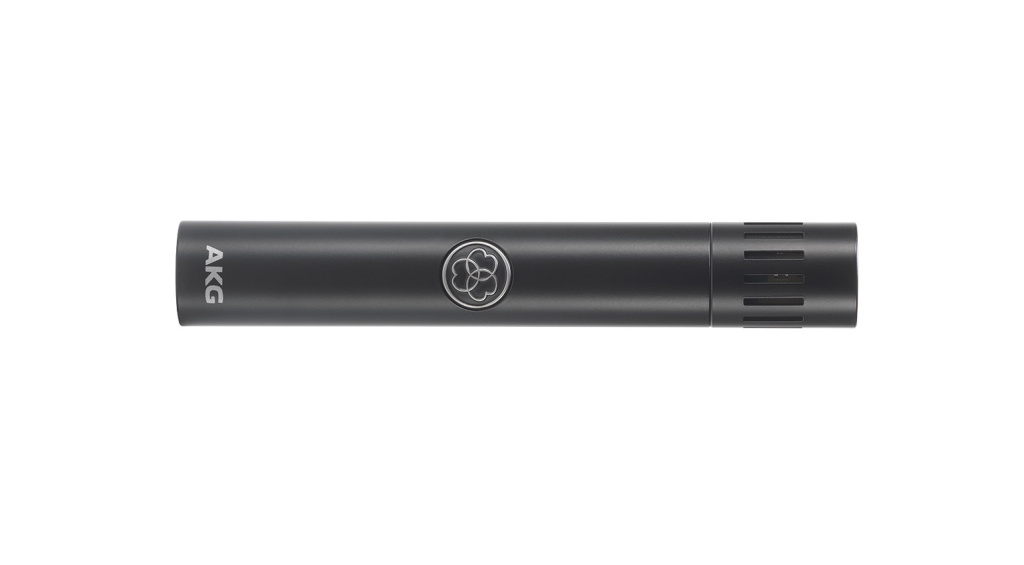
A range designed to make quality recording more accessible
The strength of this series lies in how the three models complement one another. Between a large-diaphragm cardioid, a multipattern version and a small-diaphragm mic, a UK studio can comfortably cover:
- vocals and content creation;
- recording amplified or acoustic instruments;
- stereo capture and advanced techniques (overheads, mid-side, XY, ORTF, etc.).
AKG has a long track record in studio microphone design, and the C-Series builds on this reputation to offer tools that are both affordable and reassuring in terms of sound quality. The goal is to make serious recording possible, whether you’re in a city flat with a compact home studio or a dedicated room in a house, without having to invest in unobtainable high-end gear.
Indicative pricing and availability
The microphones in the AKG C-Series are available to pre-order, with the following indicative prices:
- AKG C114: €239.00
- AKG C104: €135.00
- AKG C151: €135.00
These prices clearly position the range in an affordable segment, while still being in line with the expectations of a demanding project or home studio.
AKG is showcasing the series at NAMM 2026, on stand no. 11002. Further information is also available via the brand’s official resources and from specialist online retailers.
FAQ about the AKG C-Series microphone range
Which models make up the AKG C-Series?
The range includes three condenser microphones: the C104 (large-diaphragm cardioid), the C114 (large-diaphragm multipattern with three polar patterns) and the C151 (small-diaphragm cardioid). Each one targets specific applications to cover as many recording situations as possible.
What types of sources is the C104 best suited to?
The C104 is a 22 mm large-diaphragm cardioid designed as a versatile all-round mic. It’s particularly suitable for vocals (spoken or sung), content creation, acoustic guitars, guitar amps, and instruments such as brass, strings and woodwinds.
How does the C114 differ from the C104?
The C114 is a pressure-gradient microphone with a dual 26 mm diaphragm and multiple polar patterns (cardioid, omnidirectional and figure-of-eight). This multipattern design makes it suitable for advanced techniques such as stereo overheads, mid-side configurations, ambience capture or recording ensembles.
In which situations should you choose the C151 over the other two models?
The C151 is a 16 mm small-diaphragm cardioid microphone, combining its capsule with transformerless FET circuitry for a realistic reproduction of the performance. It is particularly well suited to XY and ORTF stereo recording, as well as detailed capture of acoustic instruments, especially when you’re after a precise stereo image or a very natural sound.